Your First Freshwater Aquarium
Watching fish move through a planted tank has a calming effect that few hobbies match. The hobby rewards patience and a bit of planning, and the setup process is straightforward once you know what matters. This guide covers tank selection, equipment, water prep, and the first weeks of keeping fish alive and healthy. It is written for Cape Town conditions, where our tap water tends to be soft and slightly acidic.
Choosing Your Tank
The most common beginner mistake is starting too small. A tiny bowl might look charming, but small volumes of water are harder to keep stable. Fish waste builds up faster, temperature swings are more dramatic, and there is less room for error.
Start with a tank of at least 60 to 80 litres. A larger volume buffers temperature swings and dilutes waste, giving you more margin for error as you learn. A rectangular glass tank provides better surface area for gas exchange compared to tall, narrow designs. Brands like JBL and Juwel are widely available in South Africa and offer solid beginner setups at reasonable prices.
Before you buy, think about placement. Your tank needs a flat, level surface that can support the weight of water, substrate, and equipment. A full 60-litre tank weighs over 70 kilograms, so a sturdy stand or reinforced cabinet is essential. Keep the tank away from direct sunlight, heating vents, and doorways where it might get bumped. Position it near a power point but not so close that water and electrics become a hazard.
Essential Equipment
A handful of pieces keep your tank running from day one:
- Filtration system — The filter removes debris, houses beneficial bacteria, and keeps water circulating. A hang-on-back filter or internal power filter rated for your tank size works well for beginners. Look for a flow rate that cycles your full tank volume at least four times per hour.
- Heater — Most freshwater tropical fish thrive between 24 and 28 degrees Celsius. Cape Town tap water runs cool, especially in winter, so an adjustable heater matters. A 100-watt heater covers a 60 to 80-litre tank.
- Thermometer — A suction-cup thermometer confirms the heater is holding temperature and helps you catch problems early.
- Water conditioner — South African tap water contains chlorine and sometimes chloramine, both toxic to fish and beneficial bacteria. A dechlorinator like Seachem Prime makes tap water safe on contact.
- Test kit — A freshwater master test kit that measures pH, ammonia, nitrite, and nitrate lets you track what is happening in the water. API and JBL both make reliable kits available locally.
- Lighting — Live plants need light. A LED fixture with a timer gives most freshwater plants the eight to ten hours of light they need per day. Consistent light cycles also help reduce algae growth by preventing long, uncontrolled photoperiods.
Substrate and Decor
Substrate covers the bottom of your tank. Natural gravel or fine river stone is the best beginner choice: easy to clean, good-looking, and a surface for beneficial bacteria to colonise. Avoid sharp gravel if you plan to keep bottom-dwelling fish like Corydoras, whose delicate barbels can get damaged.
Driftwood and smooth river rocks create a natural environment that fish find reassuring. If you choose driftwood, soak it for a few days before adding it to the tank. Some types release tannins that tint the water a tea colour. This is not harmful and many fish prefer it, but pre-soaking reduces the tint if it bothers you.
Live plants do more than look good. They absorb nitrates, produce oxygen, and help stabilise water chemistry. Easy starters like Java Fern, Anubias, and Vallisneria are hardy, forgiving, and widely available in South African pet stores. Attach them to rocks or driftwood with fishing line. They do not need to be planted in the substrate.
Water Preparation
Cape Town fishkeepers have an advantage here. Municipal water is generally clean and free of heavy metals, but it runs soft and slightly acidic. Many popular freshwater species, including tetras, rasboras, and dwarf shrimp, prefer softer water, so local tap water suits them well.
Dechlorinate your water before adding it to the tank. Fill the tank, add water conditioner at the recommended dose, then turn on the filter and heater. This starts the “cycling” process, the foundation of a healthy aquarium.
The nitrogen cycle takes roughly four to six weeks. Beneficial bacteria colonise your filter and substrate during this period, breaking down toxic ammonia and nitrite into less harmful nitrate. You can measure progress with your test kit: ammonia rises first, then drops as nitrite appears, and finally nitrite falls as nitrate takes over. Bottled bacteria products like Seachem Stability or Tetra SafeStart speed the process up, and both are available locally. Test your water regularly and do not add fish until ammonia and nitrite have both dropped to zero.
Adding Fish
Once your tank is cycled and water parameters are stable, add fish slowly. Stocking too many at once overwhelms the biological filter before it has time to adjust.
Choose hardy, community-friendly species suited to Cape Town water conditions:
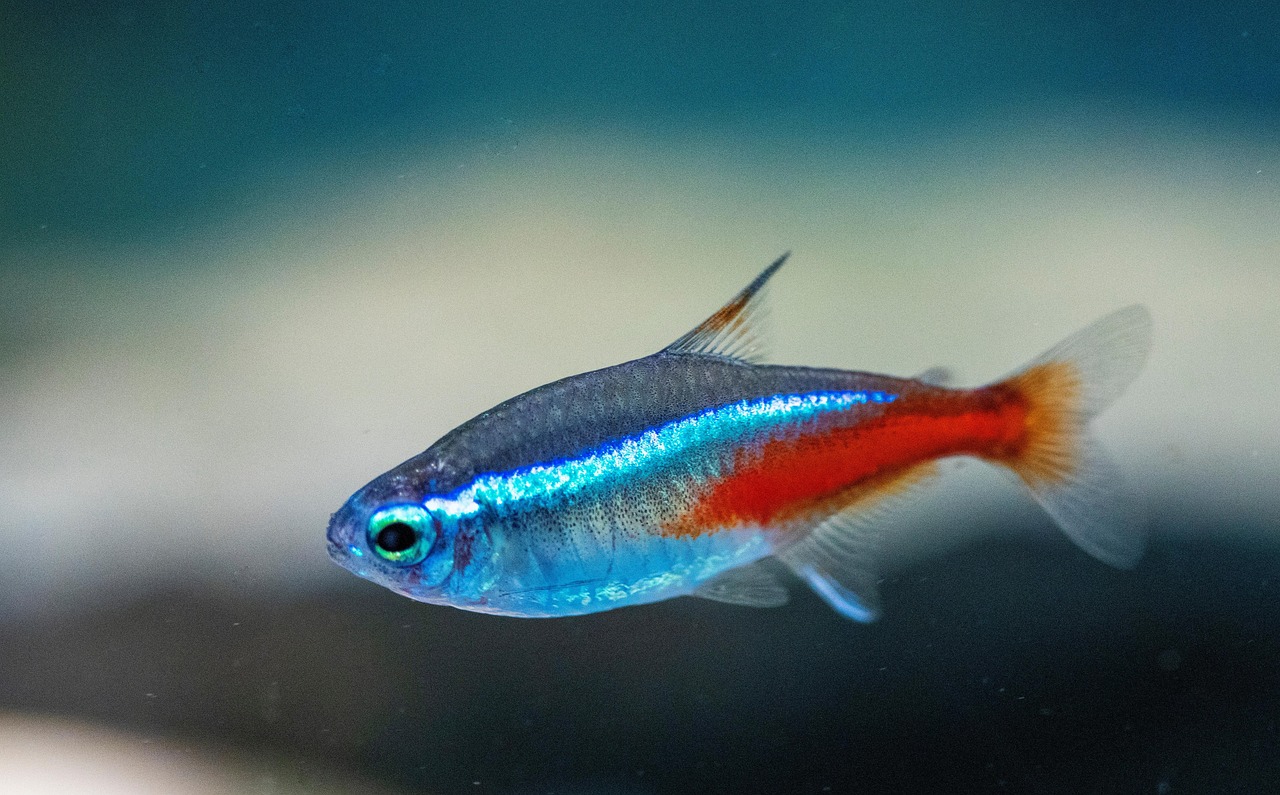
- Neon Tetras — Small, colourful, and peaceful. They thrive in soft, acidic water.
- Guppies — Hardy, active, and available in a wide range of varieties. They tolerate varied conditions.
- Corydoras Catfish — Friendly bottom-dwellers that keep the substrate clean. Keep them in groups of four or more.
- Betta Fish — Striking and low-maintenance, but house only one male per tank. They are territorial and will fight.
Add two or three fish per week. This gives your filter time to adjust to the increased bioload. When you bring fish home, float the sealed bag in the tank for 15 to 20 minutes to equalise temperature, then net the fish into the tank without adding the bag water. Before buying, ask which species are thriving in the shop right now and whether they are captive-bred or wild-caught. Captive-bred fish are hardier and more sustainable to keep.
Your First Month Tips
The first few weeks teach you the most. Keep these habits in mind:
- Feed sparingly. Most fish need a small pinch of food once or twice a day. Overfeeding is the top cause of cloudy water and ammonia spikes. A fish stomach is roughly the size of its eye, so portions are smaller than you expect. Remove any uneaten food after a few minutes.
- Do partial water changes. Replace 20 to 25 percent of the tank water every week. Use dechlorinated water that matches the tank temperature as closely as possible. This removes nitrates and replenishes minerals that plants and fish need.
- Test your water weekly. A simple log of your readings helps you spot trends before they become problems. Ammonia and nitrite should read zero once the tank is established. Nitrate should stay below 40 ppm.
- Watch your fish. Healthy fish are active, eat eagerly, and show bright colouration. Lethargy, clamped fins, spots, or unusual swimming patterns are warning signs. Catching problems early makes them easier to treat.
- Be patient. Your tank is a living ecosystem that takes time to mature. Resist the urge to chase perfect water parameters or add new fish every weekend. Stability matters more than perfection.
Visit Sacred Aquatics in Cape Town
Sacred Aquatics stocks tanks, filters, heaters, substrate, plants, and a wide range of freshwater fish suited to Cape Town water conditions. Bring a water sample and our team can test it on the spot and point you toward species that will thrive in your setup. We are in Cape Town, open seven days a week, and happy to help you get the basics right from the start.