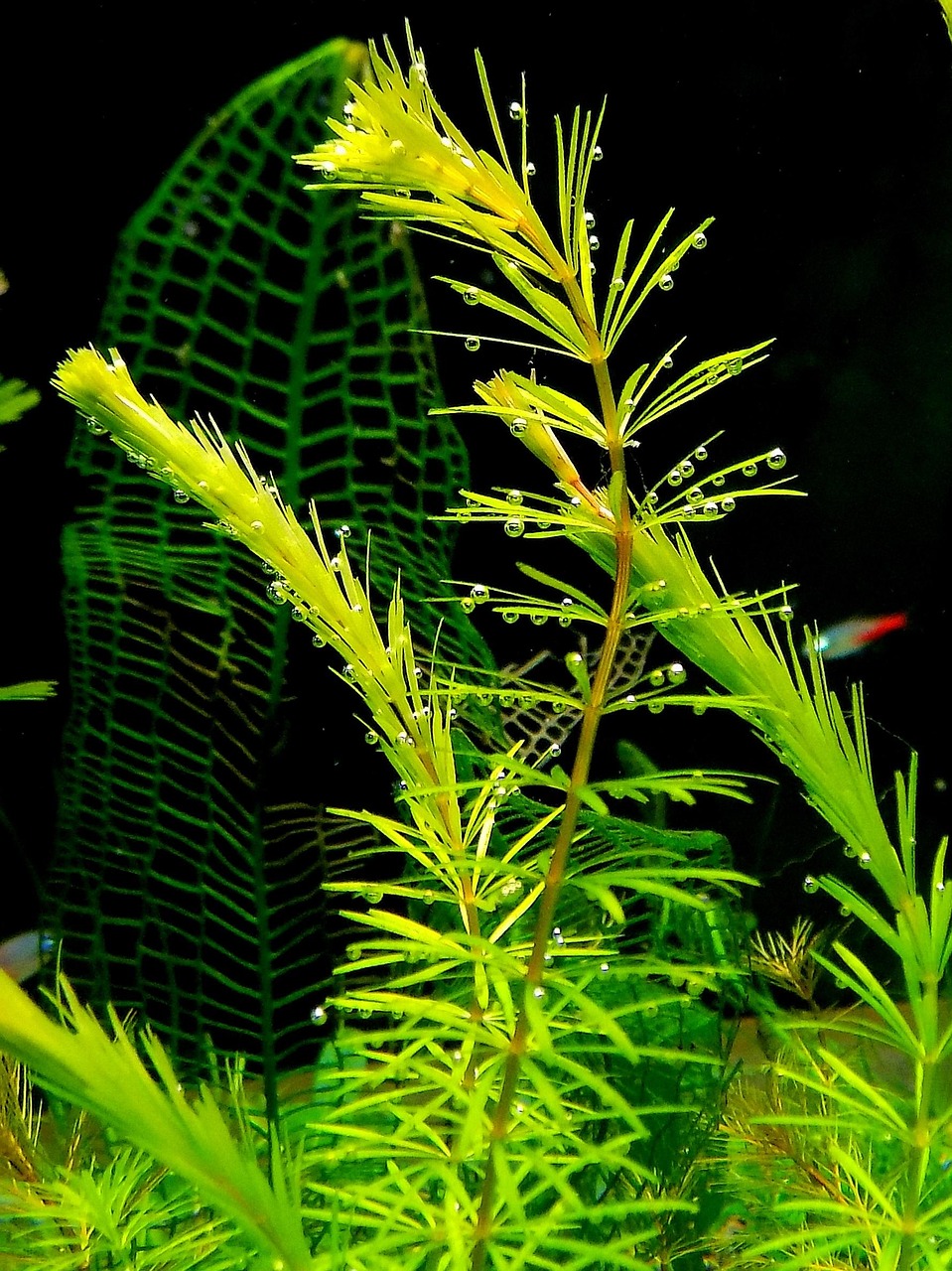
Why Go Planted?
A planted tank does more than look good. Live plants absorb nitrates and other waste compounds your fish produce, keeping water cleaner between changes. They give fry and shy species places to hide, which reduces stress and encourages natural behaviour. Dense plant growth blocks light from reaching algae on your glass and substrate, cutting down on the scrubbing you do each week. Plants release oxygen into the water during photosynthesis, and they turn a glass box into something closer to a stream bed or river margin. Your fish recognise the difference. Theycolour up, feed more confidently, and behave the way they would in the wild.
Live plants also give you more to do with the tank beyond feeding fish and changing water. Pruning, trimming, and rearranging hardscape become part of the hobby, and the visual payoff compounds over time as plants establish and fill in.
Best Beginner Plants
If you are new to planted tanks, start with species that tolerate a range of conditions and do not demand CO2 injection or high-output lighting.
Java Fern (Microsorum pteropus) grows on driftwood or rock, never buried in substrate. Tie it with cotton thread or superglue to hardscape and let it root naturally. It tolerates low light, grows slowly, and survives neglect better than most plants in the hobby. You will see it in nearly every planted setup around Cape Town for a reason.
Anubias (Anubias barteri and variants) attaches the same way. Broad dark leaves, compact growth, low light tolerance. Snails leave it alone more often than other plants. Place it where algae cannot reach the leaves easily. Near filter outflow helps keep the leaf surfaces clean.
Amazon Sword (Echinodorus bleheri) gets big. Give it room in the background and use a nutrient-rich substrate or root tabs. Swords feed heavily through their roots. In a 60cm tank, one sword can fill the back third. In larger tanks, they become dramatic centre-pieces that anchor the whole layout.
Vallisneria (Vallisneria spiralis) sends out runners along the substrate. One plant becomes a grassy curtain in weeks. Best in the background where it can grow tall without shading shorter plants. Trim the tops if it reaches the surface and blocks light to plants below.
Java Moss (Taxiphyllum barbieri) ties to rocks or wood. It spreads fast in warm water with moderate light. Use it to build carpets on hardscape, create breeding mops for egg-scattering species, or fill gaps between stones where stem plants will not root.
Intermediate Plants for More Colour
Once your basics are established and you want contrast, these plants add red and pink tones without requiring expert-level care.
Rotala rotundifolia produces pink and red tones under strong lighting. Pinch the top stems to encourage branching. It grows tall, so place it in the back and trim regularly to prevent it from shading everything below. Rotala responds well to liquid fertiliser and high-output LEDs.
Ludwigia palustris gives you orange-red foliage that contrasts with green species. It needs more light than Java Fern or Anubias. Supplement with root tabs for best colour. Ludwigia grows quickly under good conditions, so expect to trim every two to three weeks.
Cryptocoryne species work well as midground plants. They adapt to low light but may drop their leaves when first planted. This is normal. New growth follows within two to three weeks. Do not pull them out thinking they have died. Crypts come in green, brown, and reddish tones depending on species, and they anchor layouts once established.
Floating Plants
Floating plants diffuse bright overhead light, reducing algae on slower-growing species below. They also provide shade for fish that prefer dimmer conditions.
Frogbit (Limnobis laevigata) has round leaves and long trailing roots that give tanks a natural look from above. It softens surface glare and gives fish cover. Remove a portion every week or it will block too much light for plants below.
Salvinia minima is a small floating fern that reproduces fast. It needs less maintenance than Frogbit and works well in tanks with surface-dwelling fish. Thin it out weekly to keep the surface balanced.
How to Plant and Maintain
Rinse new plants in dechlorinated water before adding them to your tank. Remove rockwool or gel from the roots. Plant stem plants in small bunches rather than one stem at a time. They root better in groups.
Use a plant substrate or cap inert gravel with a thin layer of nutrient-rich soil. Drop root tabs next to heavy root feeders like Swords and Cryptocoryne every three months. Epiphytes (Java Fern, Anubias, Java Moss) stay attached to hardscape, never buried.
Trim stem plants at a 45-degree angle just above a leaf node. Two new stems grow from that point. Remove dead or yellowing leaves promptly. They decay and add ammonia to your water.
New tanks go through an adjustment period. Some plants melt back when first planted, shed old leaves, and then produce fresh growth adapted to your water conditions. Give plants four to six weeks before deciding something is not working.
Lighting and CO2
A basic LED fixture running 8 to 10 hours per day suits most beginner and mid-level plants. Use a timer for consistency. Plants need a dark period to respire, and inconsistent lighting schedules cause algae problems.
Colourful species like Rotala and Ludwigia need moderate to high light intensity. Increase hours gradually if you see algae appearing on leaves or glass. Sudden changes in lighting stress plants and trigger blooms.
CO2 injection speeds growth and intensifies colour, but it is optional for a low-tech setup. Liquid carbon products (like Seachem Flourish) provide a simpler alternative. They do not replace pressurised CO2 for high-demand species, but they help low-tech setups grow faster and resist algae.
Where to Buy Live Plants in Cape Town
Sacred Aquatics stocks a rotating selection of freshwater plants suited to South African water conditions. Plants arrive in fresh batches weekly, so stock changes regularly. Browse online or visit the store in Cape Town to see what is available this week and get advice on species that match your tank size and lighting setup.
Start Planting
Pick three or four beginner species. Set up your lighting on a timer. Add root tabs around your heavy feeders. Give the tank four to six weeks to settle. You will see new growth on the Java Fern within the first month, and Vallisneria runners will start colonising the substrate before you know it. From there, experiment with mid-level plants and floating species to add colour and depth. A planted tank rewards patience, and the results speak for themselves.